
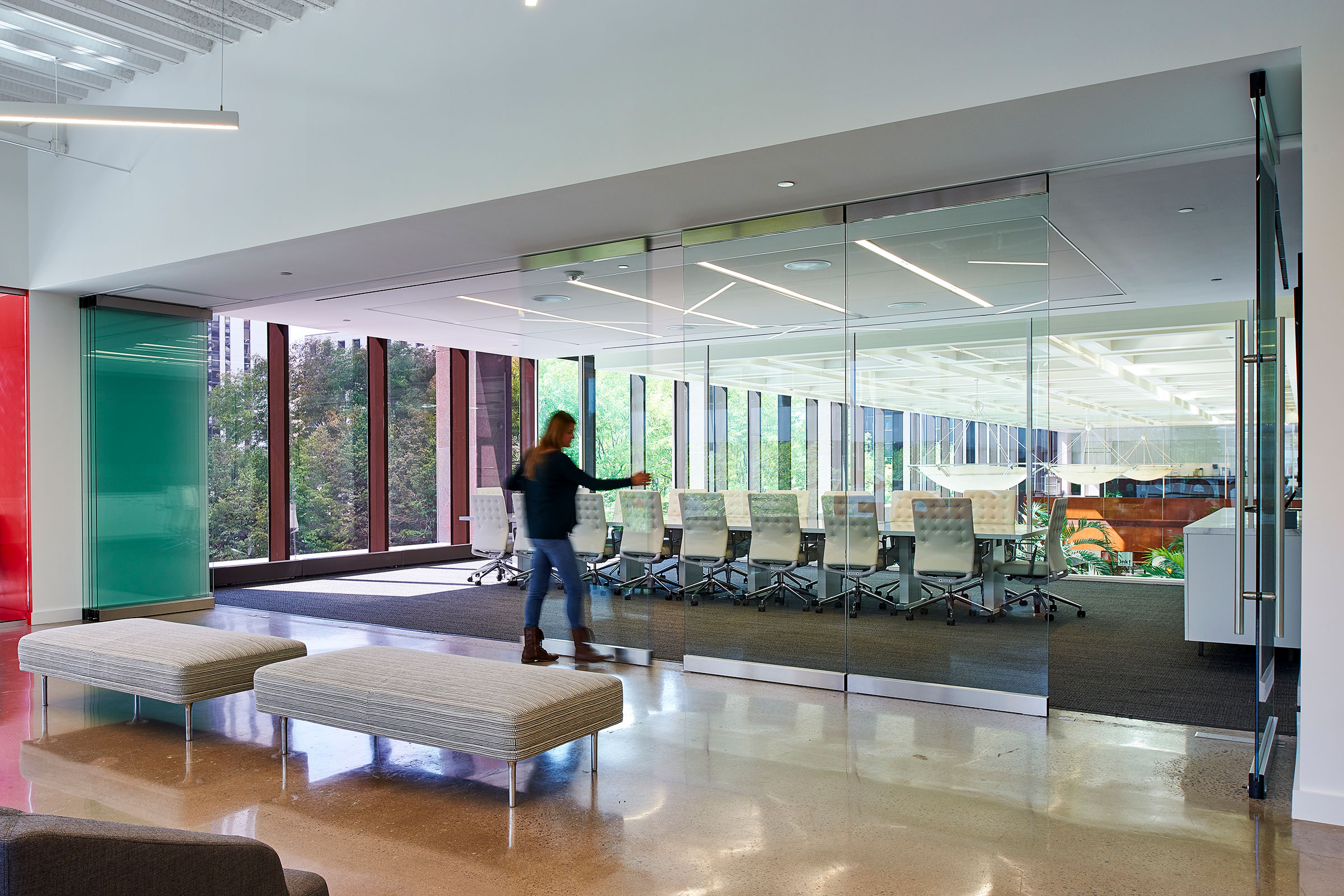
In the world of interior design, flexibility is a key factor in creating functional and adaptable spaces. Movable glass walls offer a versatile solution for transforming environments to meet changing needs. Whether used in residential, office, or commercial settings, these walls allow for seamless transitions between open and closed spaces. This article provides a comprehensive guide to the benefits and applications of movable glass walls in modern interior design.
Advantages of Movable Glass Walls
Movable glass walls offer numerous advantages that make them a popular choice for various interior design projects.
Flexibility and Adaptability
One of the primary benefits of movable glass walls is their flexibility. These walls can be easily reconfigured to suit different functions, allowing spaces to adapt to various needs throughout the day. For instance, an open-plan living area can be transformed into separate rooms for privacy or expanded to create a larger gathering space. This adaptability makes movable glass walls ideal for spaces that need to serve multiple purposes.
Maximizing Space Utilization
Movable glass walls are particularly beneficial in smaller spaces where maximizing every square foot is essential. By allowing for the creation of temporary partitions, these walls help optimize space usage without permanently altering the layout. This makes them an excellent choice for urban apartments, small offices, and multi-functional rooms.
Enhancing Natural Light and Visibility
Glass walls, whether fixed or movable, enhance the flow of natural light within a space. Movable glass walls, in particular, allow for easy adjustments to light levels and visibility. When opened, they allow light to permeate through the space, creating a bright and airy environment. This feature is especially valuable in areas with limited natural light or in spaces that benefit from increased illumination.
Applications of Movable Glass Walls
Movable glass walls can be utilized in various settings, each benefiting from their unique properties.
Residential Spaces
In residential settings, movable glass walls offer the ability to create dynamic living environments. They can be used to separate living areas, create private zones within open-plan homes, or enclose outdoor spaces. For example, a movable glass wall can transform a patio into a sunroom or create a temporary guest room. This versatility allows homeowners to adapt their living spaces to their needs and preferences.
Office Environments
Movable glass walls are increasingly popular in modern office designs due to their ability to facilitate collaboration and communication. They can be used to create meeting rooms, conference areas, or open workspaces that can be reconfigured as needed. The transparent nature of glass walls maintains visibility and openness, promoting a collaborative work environment while allowing for privacy when required.
Commercial Spaces
In commercial settings, movable glass walls offer the flexibility to adapt to changing business needs. Retail stores, restaurants, and event venues can use these walls to create different atmospheres or adjust layouts for various functions. For instance, a restaurant can use movable glass walls to partition dining areas for private events or reconfigure seating arrangements during peak hours.
Design Considerations for Movable Glass Walls
When incorporating movable glass walls into a design project, several factors should be considered to ensure optimal performance and aesthetics.
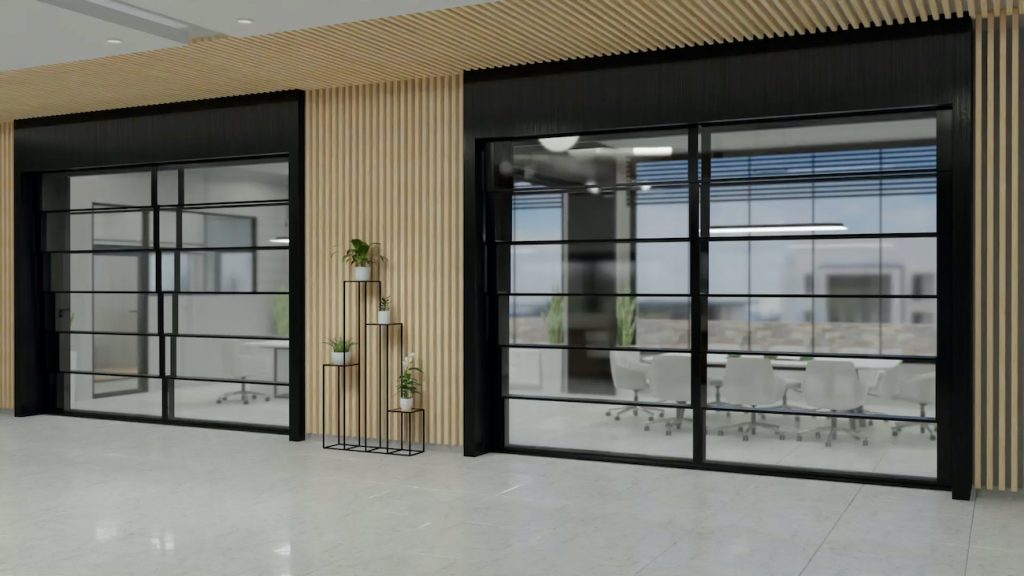
Hardware and Mechanisms
The hardware and mechanisms used for movable glass walls are crucial for their functionality. High-quality tracks, hinges, and sliding systems ensure smooth operation and durability. It’s important to choose hardware that supports the weight and size of the glass panels, providing reliable performance over time.
Glass Thickness and Safety
The thickness of the glass panels affects their durability and safety. For movable glass walls, it’s essential to use tempered or laminated glass to ensure strength and safety. This type of glass is designed to withstand impact and resist breakage, providing peace of mind for users.
Acoustic Performance
While glass walls are visually appealing, they can sometimes lack acoustic insulation. To address this issue, consider using glass panels with soundproofing properties or incorporating additional acoustic treatments. This ensures that movable glass walls provide both visual transparency and effective sound management.
Conclusion
Movable glass walls are a versatile and stylish solution for creating dynamic and adaptable interior spaces. Their flexibility, space-saving benefits, and ability to enhance natural light make them a valuable addition to residential, office, and commercial environments. By carefully considering design elements such as hardware, glass thickness, and acoustic performance, movable glass walls can be integrated seamlessly into various interior design projects, providing both functionality and aesthetic appeal.