
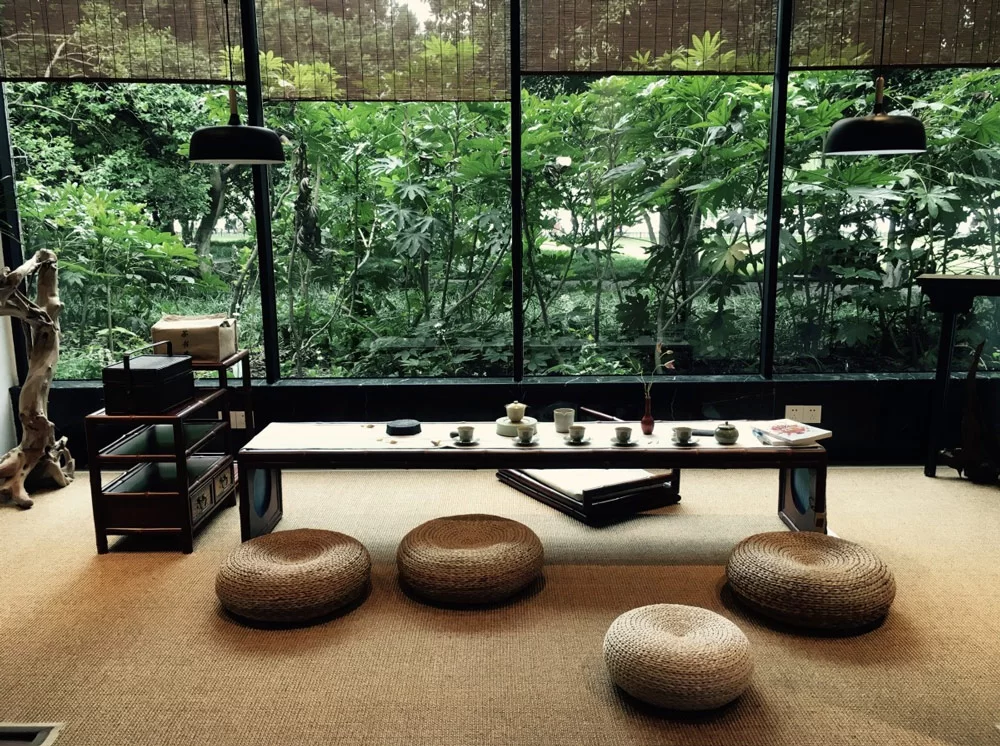
Glass walls are more than just design elements; they play a significant role in influencing the psychology of individuals within those spaces. The transparency and openness that glass walls provide can have profound effects on mood, productivity, and overall well-being. This article explores how glass walls impact our psychology and why they are becoming increasingly popular in both residential and commercial spaces.
The Impact of Transparency on Mood
Creating a Sense of Openness
Transparency in spaces, particularly through the use of glass walls, affects how individuals feel within those environments. Glass walls remove the sense of enclosure, which can be particularly beneficial in smaller or confined spaces. The feeling of openness provided by glass walls helps reduce the sense of confinement, contributing to a more liberated and relaxed atmosphere.
Improving Natural Light Exposure
Natural light is crucial for regulating circadian rhythms and boosting mood. Glass walls allow more natural light to enter a space, which can help alleviate the effects of Seasonal Affective Disorder (SAD) and improve overall happiness. By incorporating glass walls, spaces become brighter and more inviting, contributing to a positive and uplifting environment.
Enhancing Connection with the Outdoors
The connection with the outdoor environment is essential for reducing stress and increasing a sense of calm and well-being. Glass walls that offer views of nature or outdoor landscapes can enhance this connection, providing a serene and peaceful setting. This visual connection with nature contributes to a more relaxing and enjoyable living or working environment.
Boosting Productivity with Glass Walls
Increased Visibility and Collaboration
In office settings, glass walls promote transparency and visibility, which leads to increased collaboration and communication among team members. The openness created by glass walls fosters a collaborative work environment, allowing for spontaneous interactions and improved teamwork. When employees feel more connected to their surroundings and colleagues, productivity often increases.
Reducing Noise While Maintaining Openness
Although glass walls are transparent, they can be equipped with soundproofing technology to manage noise levels effectively. This allows for a quiet work environment without sacrificing the open feel provided by glass walls. Properly designed glass walls help maintain focus and reduce distractions, contributing to a more productive workspace.
Glass Walls in Residential Spaces
Creating a Calm and Relaxing Atmosphere
In residential settings, glass walls can contribute to a tranquil and calming environment. By opening up the space to natural surroundings, glass walls create a serene atmosphere that reduces stress and enhances relaxation. The visual connection with the outdoors promotes a sense of calm, making living spaces more pleasant and enjoyable.
Encouraging Family Interaction
In open-plan homes, glass walls can separate spaces while still allowing visibility. This setup encourages interaction among family members and fosters closer relationships. Glass walls provide a sense of togetherness while maintaining the functionality of distinct areas, promoting a more cohesive family environment.
The Role of Glass Walls in Workspaces
Fostering Transparency and Trust
Incorporating glass walls in office environments symbolizes transparency and openness, reflecting a company’s commitment to clear communication and trust. This design choice can enhance the overall work culture, promoting a sense of integrity and openness among employees.
Reducing Stress and Burnout
Exposure to natural light and outdoor views through glass walls can help mitigate stress and reduce burnout. A well-designed workspace with glass walls contributes to a healthier and more positive work environment, leading to increased job satisfaction and overall well-being.
Wrapping Up
Glass walls are more than just design elements; they have a significant impact on our mental and emotional well-being. By promoting openness, enhancing natural light, and fostering a connection with the outdoors, glass walls can improve mood and productivity in both residential and work environments. As the recognition of these psychological benefits grows, the use of glass walls in interior design is likely to continue expanding.